
The Degeneration of Government
The Social ContractThis flow traces how delegated government can contract from popular administration into concentrated rule and finally break the political compact.
increasing Bearing strength in each event
 decreasing
Bearing strength in each eventdecreasingGovernment Has Its Own Will
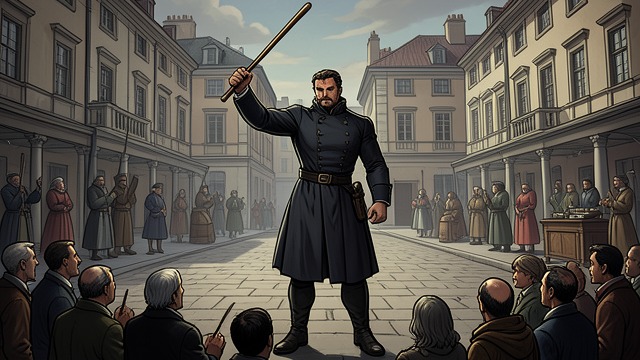
Government Has Its Own Will
A Necessary Agent
Government must possess coordination and force to execute the laws. It therefore forms a distinct body within the larger State.
The Structural Tension
Its corporate interests can diverge from the people’s interests. The institution that serves the Sovereign also has reasons to preserve and enlarge its own power.
Executive Power Concentrates

Executive Power Concentrates
Greater Speed, Greater Risk
A smaller magistracy can act more promptly and with greater force. Concentration, however, strengthens particular interests within government.
A Balance to Maintain
The legislator must balance executive energy against the need for public control. The efficient form is not necessarily the safest or most legitimate.
Government Contracts
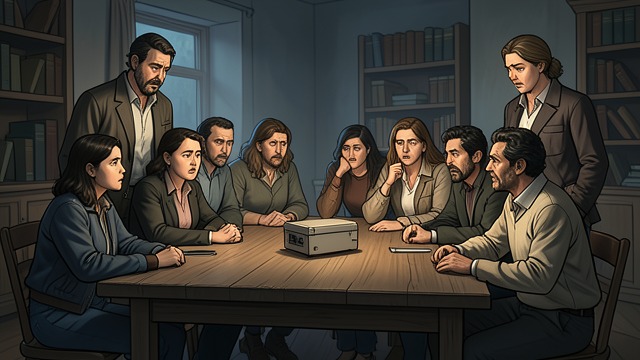
Government Contracts
A Natural Drift
Rousseau describes government as tending to pass from many rulers to fewer: democracy to aristocracy, then potentially to monarchy. The shift reflects growing concentration.
Declining Capacity
A weakening government may tighten its hold rather than broaden participation. The change can preserve administrative force while diminishing popular authority.
The Prince Usurps Sovereignty
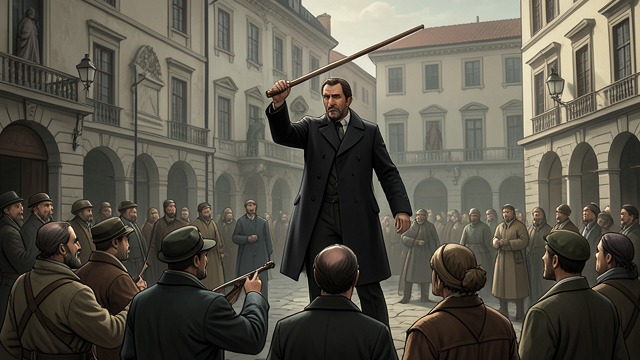
The Prince Usurps Sovereignty
Public Force Misused
When the prince acts on a particular will rather than executing the law, government begins to claim authority belonging to the people.
The State Narrows
A ruling body forms within the State and treats the rest as subjects under its control. Rousseau regards this as a break in the compact.
Anarchy Names the Rupture
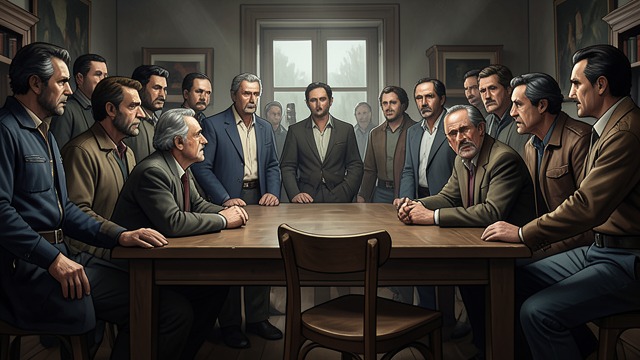
Anarchy Names the Rupture
Forms of Breakdown
Rousseau names the corrupt forms that follow the dissolution of political order: popular government can become mob rule, aristocracy oligarchy, and royalty tyranny.
A Precise Distinction
He distinguishes a tyrant who usurps royal office from a despot who places himself above law. Both expose the failure of legitimate authority.
Book III, Chapters I–II
Book III, Chapter II, as the magistracy becomes smaller
Book III, Chapter X, as democracy shifts toward fewer rulers
Book III, Chapter X, when executive authority becomes independent
Book III, Chapter X, after the State dissolves
